+918042752699

ANKITSINGHVIANKITSINGHVI https://www.inovainterventions.com
Preview

This is your website preview.

Currently it only shows your basic business info. Start adding relevant business details such as description, images and products or services to gain your customers attention by using Boost 360 android app / iOS App / web portal.

91

Products

## CT Guided Biopsy – Precise, Minimally Invasive Tissue DiagnosisA **CT Guided Biopsy** is a highly accurate, image-guided procedure used to obtain a small sample of tissue from an abnormal area inside the body for laboratory examination. Using real-time imaging from a Computed Tomography scan, the doctor can precisely guide a thin needle into the targeted lesion, ensuring maximum accuracy and safety. This advanced technique allows early diagnosis of tumors, infections, inflammatory conditions, and other abnormalities without the need for open surgery.### What is CT Guided Biopsy?CT (Computed Tomography) uses X-rays and advanced computer technology to create detailed cross-sectional images of the body. During a CT guided biopsy, these images help the interventional radiologist identify the exact location, size, and depth of the abnormal tissue. A fine needle is then inserted through the skin and directed precisely into the lesion to obtain a tissue sample.This procedure is commonly performed for:* Lung nodules* Liver lesions* Abdominal or pelvic masses* Bone lesions* Lymph nodes* Soft tissue tumors### Why is CT Guidance Important?CT imaging provides clear visualization of deep-seated or small lesions that may not be easily accessible through conventional methods. It allows:* Accurate needle placement* Reduced risk of injury to surrounding organs* Higher diagnostic yield* Minimal complicationsBecause of its precision, CT guided biopsy is considered the gold standard for diagnosing many internal masses.### How is the Procedure Performed?The procedure is usually done under local anesthesia and sometimes mild sedation. After reviewing prior imaging scans, the patient is positioned on the CT table. A preliminary scan identifies the target area. The skin is cleaned and numbed, and a small incision may be made.Using CT guidance, the doctor advances the biopsy needle step-by-step toward the lesion. Additional scans confirm correct placement before obtaining tissue samples. Once adequate samples are collected, the needle is removed and a small dressing is applied.The procedure typically takes 20–45 minutes, depending on the complexity and location of the lesion.### Is CT Guided Biopsy Painful?Most patients experience minimal discomfort. Since the procedure is performed under local anesthesia, pain is usually mild and temporary. Patients can generally return home the same day after a short observation period.### Benefits of CT Guided Biopsy* Minimally invasive* No major incision or stitches* Short recovery time* Day-care procedure* High accuracy* Early and reliable diagnosis### Are There Any Risks?CT guided biopsy is a safe procedure when performed by an experienced interventional radiologist. Minor risks may include mild bleeding, temporary pain, or infection. In lung biopsies, a small risk of pneumothorax (air leak) exists, which is usually manageable.### Recovery and ResultsAfter the procedure, patients are monitored for a few hours. Most individuals can resume normal activities within 24 hours. The collected tissue is sent to pathology for microscopic examination, and results are typically available within a few days.### Expert Care MattersCT guided biopsy combines advanced imaging with minimally invasive techniques to provide precise diagnosis with minimal discomfort. When performed by a skilled specialist, it significantly reduces the need for surgical exploration and ensures early, targeted treatment planning.If you have been advised to undergo a biopsy, consult an experienced interventional radiology team to ensure safe, accurate, and comfortable care.

Panchasheel Enclave, Plot No. 67, Jawahar Lal Nehru Marg, Lal Bahadur Nagar, Chandrakala Colony, Mata colony, Jaipur, Rajasthan 302018

## Deep Vein Thrombosis (DVT) Treatment in Jaipur – Symptoms, Causes & Advanced Management**Meta Title:** Deep Vein Thrombosis (DVT) Treatment in Jaipur | DVT Specialist**Meta Description:** Expert DVT treatment in Jaipur with advanced anticoagulation, catheter-directed thrombolysis & minimally invasive thrombectomy. Early diagnosis prevents pulmonary embolism.**Focus Keywords:** DVT treatment in Jaipur, Deep Vein Thrombosis specialist, leg clot treatment, pulmonary embolism prevention, venous thrombosis treatment**URL Slug:** /dvt-treatment-jaipur---# Deep Vein Thrombosis (DVT): Symptoms, Causes & Advanced TreatmentDeep Vein Thrombosis (DVT) is a serious vascular condition in which a blood clot forms in the deep veins, most commonly in the legs. If untreated, the clot can travel to the lungs and cause **Pulmonary Embolism (PE)**, a life-threatening emergency.Early diagnosis and timely treatment significantly reduce complications and long-term damage.---## What is Deep Vein Thrombosis?DVT occurs when a blood clot blocks blood flow in a deep vein, usually in the calf, thigh, or pelvis. It may develop suddenly or gradually and sometimes presents with minimal symptoms.DVT and Pulmonary Embolism together are called **Venous Thromboembolism (VTE)**.---## DVT SymptomsCommon symptoms of DVT in the leg include:* Swelling in one leg* Calf or thigh pain* Warmth over affected area* Redness or skin discoloration* Leg heaviness* Dilated surface veins⚠ **Emergency Warning Signs (Possible Pulmonary Embolism):*** Sudden breathlessness* Chest pain* Rapid heartbeat* Coughing bloodIf these occur, immediate medical attention is required.---## Causes of DVTDVT develops due to three main mechanisms:### 1. Slow Blood Flow* Prolonged bed rest* Long travel (flight or car)* Paralysis* ICU admission### 2. Vein Injury* Surgery (especially orthopedic)* Fractures* Trauma### 3. Increased Clotting Tendency* Cancer* Pregnancy* Hormonal pills* Genetic clotting disorders* Severe infections---## Risk Factors for DVTYou may be at higher risk if you have:* Recent surgery* Cancer* Obesity* Smoking habit* Varicose veins* Long travel history* Previous DVT* Family history of clotting disorders---## Types of DVT### Distal DVT* Below knee* Lower complication risk### Proximal DVT* Above knee (femoral or iliac veins)* Higher risk of pulmonary embolism* Requires urgent treatment### Upper Limb DVT* Often related to catheters or thoracic outlet syndrome---## Diagnosis of DVTAccurate diagnosis is essential to prevent complications.### Clinical AssessmentRisk scoring systems help determine probability.### D-Dimer Blood TestHelps rule out clot in low-risk patients.### Doppler Ultrasound* Gold standard test* Non-invasive* Detects clot and blood flow obstruction### CT / MR VenographyUsed in complex pelvic or recurrent cases.---# Advanced DVT Treatment OptionsTreatment aims to:* Prevent clot growth* Stop pulmonary embolism* Reduce long-term complications## 1. Anticoagulation (Blood Thinners)First-line treatment includes:* Low Molecular Weight Heparin* Direct Oral Anticoagulants (DOACs)* Warfarin (selected cases)Duration:* 3 months (provoked DVT)* 6–12 months (unprovoked)* Long-term (recurrent or cancer-associated)---## 2. Catheter-Directed ThrombolysisRecommended in:* Large iliofemoral DVT* Severe swelling* Limb-threatening casesThis minimally invasive procedure dissolves the clot using targeted medication.---## 3. Mechanical ThrombectomyA modern minimally invasive technique that physically removes the clot in selected patients, especially:* Young patients* Extensive clot burden* Severe pain---## 4. IVC Filter PlacementUsed when:* Blood thinners cannot be given* Recurrent pulmonary embolism occursUsually temporary.---## Complications of Untreated DVT### Pulmonary Embolism (PE)Life-threatening condition requiring emergency care.### Post-Thrombotic SyndromeLong-term swelling, pigmentation, skin changes, venous ulcers.### Recurrent ClotsRisk increases without proper management.---# DVT Prevention Tips* Early mobilization after surgery* Use of compression stockings* Adequate hydration* Leg exercises during travel* Weight control* Stop smokingHospitalized high-risk patients may require preventive anticoagulation.---# When Should You Consult a DVT Specialist?Seek medical evaluation if you experience:* Sudden one-sided leg swelling* Persistent calf pain* Leg discoloration* Breathlessness after leg swelling* History of recent surgery with leg symptomsEarly Doppler ultrasound can prevent serious complications.---# Why Early Treatment MattersTimely DVT treatment reduces:* Risk of pulmonary embolism* ICU admission* Long-term venous ulcers* Chronic leg pain and disabilityMinimally invasive vascular interventions have significantly improved patient outcomes with faster recovery and reduced hospital stay.---## Frequently Asked Questions (FAQs)### Is DVT curable?Yes, with proper treatment and follow-up, most patients recover fully.### How long does DVT treatment last?Typically 3–6 months, depending on cause and severity.### Can DVT recur?Yes, especially in patients with genetic or cancer-related causes.### Is DVT dangerous?Yes, if untreated, it can lead to pulmonary embolism, which can be fatal.---# Book Consultation for DVT Treatment in JaipurIf you or your family member has symptoms of leg swelling or suspected DVT, early vascular evaluation is essential.Prompt diagnosis with Doppler ultrasound and advanced minimally invasive treatment can prevent life-threatening complications.

Panchasheel Enclave, Plot No. 67, Jawahar Lal Nehru Marg, Lal Bahadur Nagar, Chandrakala Colony, Mata colony, Jaipur, Rajasthan 302018

Here is a **professional 1000+ word website content draft** customized for you:---# Varicose Veins Treatment in Jaipur## Advanced Laser, Glue & Microwave Therapy### By Dr. Ankit Singhvi – Neuro & Vascular Interventional RadiologistVaricose veins are a common yet often neglected vascular condition affecting both men and women. Many patients consider them a cosmetic concern, but untreated varicose veins can lead to pain, swelling, skin changes, and even non-healing ulcers.Dr. Ankit Singhvi, Consultant Neuro & Vascular Interventional Radiologist, provides advanced, minimally invasive, stitch-free treatments for varicose veins with faster recovery and excellent long-term outcomes.---## What Are Varicose Veins?Varicose veins are enlarged, twisted veins usually seen in the legs. They occur when the valves inside the veins become weak or damaged. These valves normally prevent backward flow of blood. When they fail, blood pools in the veins, causing them to bulge and become visible under the skin.This condition is medically known as Chronic Venous Insufficiency (CVI).---## Why Do Varicose Veins Occur?Several risk factors contribute to the development of varicose veins:• Prolonged standing or sitting• Family history• Obesity• Pregnancy• Aging• Hormonal changes• Sedentary lifestyleIn cities like Jaipur, professionals such as teachers, surgeons, factory workers, and office employees who stand or sit for long hours are at higher risk.---## Common SymptomsVaricose veins are not just cosmetic. They can cause:• Leg heaviness and fatigue• Burning sensation in legs• Night cramps• Swelling around ankles• Itching or skin discoloration• Thickened skin (lipodermatosclerosis)• Non-healing venous ulcersIf you are experiencing persistent leg discomfort, early consultation is advised.---## When Should You See a Specialist?You should consult a vascular specialist if:• Pain interferes with daily activities• Swelling increases progressively• Skin color changes• There is bleeding from veins• You develop a non-healing woundEarly treatment prevents complications and improves quality of life.---# Modern Treatment Options for Varicose VeinsGone are the days of painful open surgery with large cuts and long hospital stays. Today, advanced endovenous procedures allow treatment through a small needle puncture.Dr. Ankit Singhvi offers the latest evidence-based therapies:---## 1. Endovenous Laser Treatment (EVLT)EVLT uses laser energy to seal the faulty vein from inside. A thin laser fiber is inserted into the vein under ultrasound guidance. Laser heat closes the vein permanently.Benefits:• No stitches• Day-care procedure• Minimal pain• Immediate walking• Fast recovery---## 2. Radiofrequency / Microwave AblationMicrowave or radiofrequency energy is used to close the diseased vein. It works on a similar principle to laser but uses thermal energy differently.Advantages:• Controlled energy delivery• Less post-procedure discomfort• Excellent cosmetic outcome---## 3. Glue Treatment (Cyanoacrylate Closure)Medical-grade glue is injected into the affected vein to seal it permanently. No heat, no tumescent anesthesia.Advantages:• No multiple injections• No compression stockings required in some cases• Very quick procedure• Immediate return to workThis is one of the most comfortable modern treatments available.---## 4. Foam SclerotherapySpecial medical foam is injected into smaller varicose veins to close them.Ideal for:• Spider veins• Residual veins after main treatment• Cosmetic correction---# Why Choose Minimally Invasive Treatment?Compared to conventional surgery:• No general anesthesia• No large scars• Very small puncture site• Less pain• Day-care admission• Return to routine in 24–48 hours• Lower recurrence ratesMost patients walk immediately after the procedure.---# How Is the Procedure Done?1. Detailed clinical examination2. Venous Doppler ultrasound mapping3. Identification of refluxing vein4. Ultrasound-guided catheter placement5. Laser/microwave/glue application6. Same-day dischargeThe entire procedure usually takes 30–60 minutes.---# Is Varicose Vein Treatment Safe?Yes. When performed by a trained Vascular Interventional Radiologist using ultrasound guidance, these procedures are highly safe and effective.Complications are rare and usually minor:• Temporary bruising• Mild tightness• Transient discomfortSerious complications are extremely uncommon.---# What Happens If Varicose Veins Are Not Treated?Untreated varicose veins can lead to:• Chronic swelling• Skin pigmentation• Eczema• Venous ulcers• Recurrent infections• BleedingAdvanced stages significantly affect quality of life and may require prolonged wound care.---# Recovery After Treatment• Walk immediately• Avoid heavy gym activity for 1 week• Resume office work next day• Follow-up Doppler after few weeksMost patients experience dramatic relief from heaviness and swelling within days.---# Frequently Asked Questions### Is it painful?No. The procedure is done under local anesthesia. Mild discomfort may occur but is manageable.### Will veins come back?Treated veins do not reopen. However, new veins may develop if lifestyle risk factors persist.### Do I need hospital admission?It is usually a day-care procedure.### Is it cosmetic or medical?It is primarily a medical condition that can lead to complications if untreated.---# Lifestyle Tips to Prevent Progression• Regular walking• Weight management• Avoid prolonged standing• Leg elevation• Use compression stockings if advised• Stay hydrated---# Why Choose Dr. Ankit Singhvi?Dr. Ankit Singhvi is a trained Neuro & Vascular Interventional Radiologist with extensive experience in advanced endovascular therapies. His approach focuses on:• Precision treatment• Ultrasound-guided techniques• Minimally invasive care• Faster recovery• Patient-first approachHe specializes in cutting-edge vascular interventions including varicose vein treatment, peripheral angioplasty, DVT management, aneurysm coiling, and embolization procedures.---# Book Your ConsultationIf you are suffering from leg pain, swelling, or visible veins, early evaluation can prevent complications.Get advanced, stitch-free varicose vein treatment in Jaipur with modern laser, microwave, and glue techniques.

Panchasheel Enclave, Plot No. 67, Jawahar Lal Nehru Marg, Lal Bahadur Nagar, Chandrakala Colony, Mata colony, Jaipur, Rajasthan 302018

Meet Our Doctor

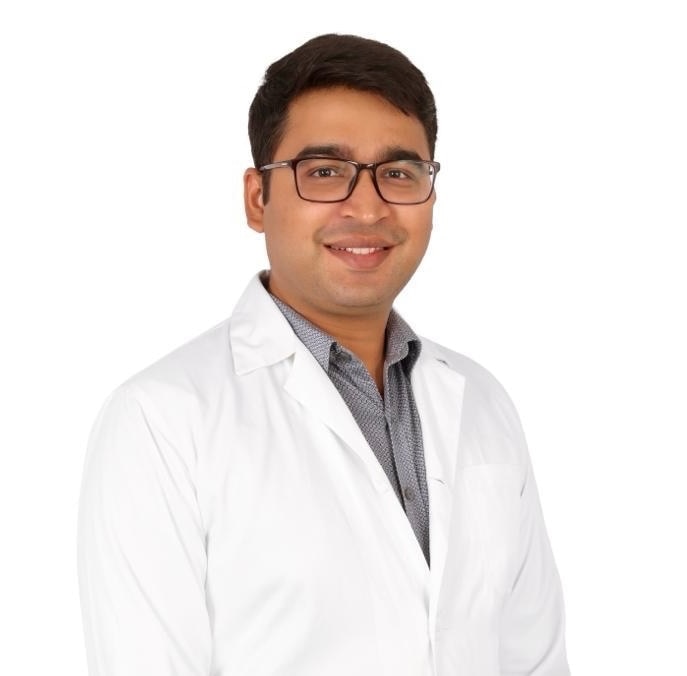
Dr Ankit Singhvi

Dr Ankit Singhvi

Interventional Radiologist

Phone +91-9601324288

**Dr. Ankit Singhvi** is a highly skilled Neuro and Vascular Interventional Radiologist known for delivering advanced, minimally invasive treatments with precision and compassion. With extensive training from premier institutes including Kokilaben Dhirubhai Ambani Hospital and Tata Memorial Hospital, Dr. Singhvi has developed deep expertise in complex neurovascular and peripheral vascular interventions. He specializes in cutting-edge endovascular procedures for conditions such as brain aneurysms, acute stroke, carotid artery stenosis, peripheral arterial disease, diabetic foot ischemia, varicose veins, and deep vein thrombosis. His core areas of excellence include brain aneurysm coiling and flow diverter placement, mechanical thrombectomy for stroke, carotid and intracranial stenting, peripheral angioplasty and stenting, and minimally invasive varicose vein treatments using laser, microwave, and glue techniques. Dr. Singhvi also has vast experience in embolization procedures for tumors, varicocele, active bleeding, arteriovenous malformations (AVMs), and vascular malformations. In addition, he performs image-guided tumor ablation procedures for thyroid goiter, breast fibroadenoma, and liver tumors, offering patients effective treatment options without major surgery. Currently practicing in Jaipur, he is associated with leading hospitals including CK Birla Hospitals and has served as a visiting consultant at reputed centers such as Manipal Hospitals, Fortis Hospitals, and Bhagwan Mahaveer Cancer Hospital & Research Centre. Through his work, he is committed to bringing world-class interventional radiology services to Rajasthan. Known for his patient-first approach, Dr. Singhvi focuses on minimally invasive solutions that ensure faster recovery, shorter hospital stays, reduced complications, and improved long-term outcomes. His ability to manage high-risk and complex vascular cases with precision has earned him recognition among peers and trust among patients. Beyond clinical practice, he actively participates in academic discussions, CMEs, and public awareness initiatives, especially in areas like stroke management, DVT, diabetic foot, and varicose veins. His vision is to make advanced endovascular treatments accessible and affordable while maintaining international standards of care. With a strong foundation in neuro and vascular interventions, technical excellence, and compassionate care, Dr. Ankit Singhvi continues to redefine modern interventional radiology practice in Rajasthan, offering patients safer alternatives to open surgery and hope through innovation.

Panchasheel Enclave, Plot No. 67, Jawahar Lal Nehru Marg, Lal Bahadur Nagar, Chandrakala Colony, Mata colony, Jaipur, Rajasthan 302018

Latest Update

Best surgery for IVF Fistula in jaipur at dr ankit clinic

It's Done!!

Your appointment is confirmed

Doctor Name:

Date & Time:

Contact:

Address: Panchasheel Enclave, Plot No. 67, Jawahar Lal Nehru Marg, Lal Bahadur Nagar, Chandrakala Colony, Mata colony, Jaipur, Rajasthan 302018

Appointment details has also been shared with you on your mobile number . Please arrive atleast ten minnutes ahead of the scheduled time.

products